Better treatment for cancer pain, and for more of the people who need it.
Nerve blocks, implanted pumps and nerve stimulation can relieve cancer pain when medicines are not enough, yet many patients never reach them. My work tries to close that gap.
If you are a patient, please contact your clinic directly. This site cannot book appointments.
About
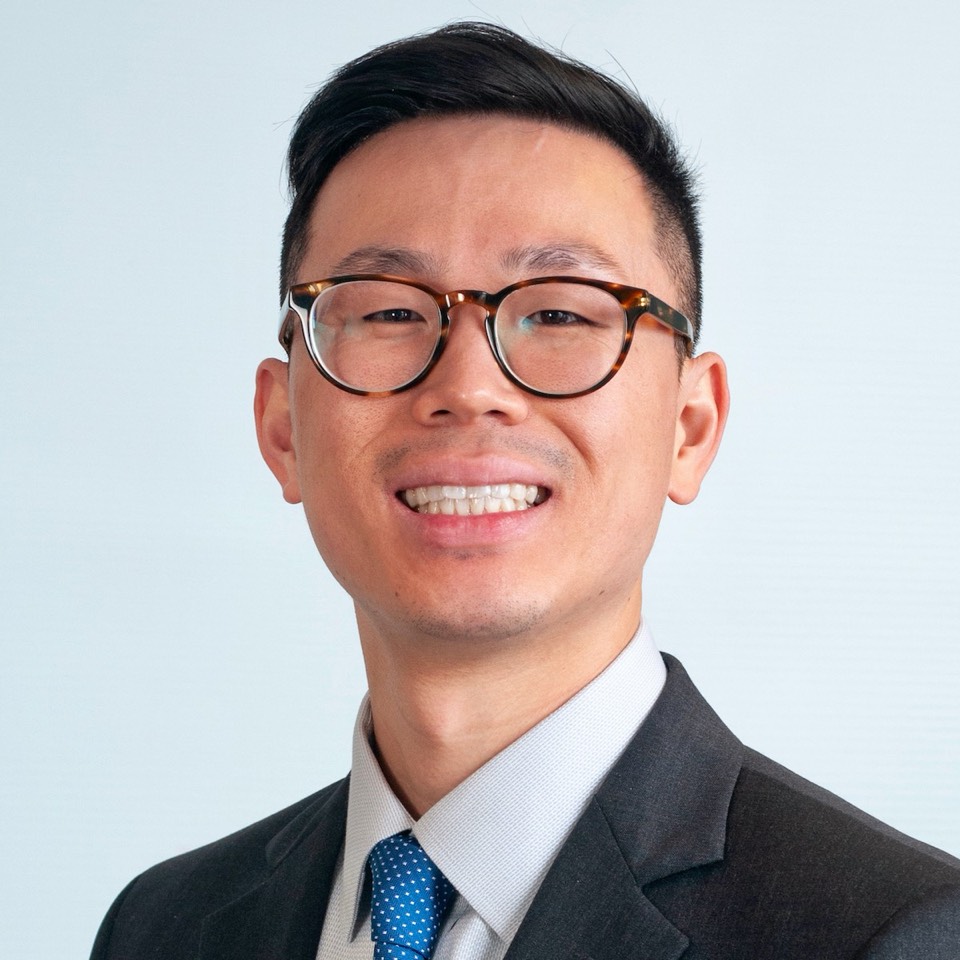
I treat cancer pain that medicines alone cannot control, study who gets that care, and teach others how to give it.
I’m an anesthesiologist and interventional pain physician. As director of the Cancer Pain Program at Massachusetts General Hospital, I work with oncology and palliative care teams to bring nerve blocks, neurolysis and intrathecal drug delivery to people with severe cancer pain, sooner and more safely.
We are building CancerPain.org, a new platform that teaches patients and clinicians about cancer pain and its treatment. It is in development now.
I speak on these subjects at grand rounds and meetings in the United States and abroad. I’m also Deputy Editor-in-Chief of Anesthesia & Analgesia, and I created and host the Depth of Anesthesia podcast.
If you treat, study or teach cancer pain, I’d like to hear from you.
- Clinical
- Director, Cancer Pain Program, Massachusetts General Hospital
- Academic
- Assistant Professor of Anaesthesia, Harvard Medical School
- Editorial
- Deputy Editor-in-Chief, Anesthesia & Analgesia
Executive Editor, A&A Practice - Training
- Penn, Rutgers Robert Wood Johnson Medical School, MGH, and Brigham and Women’s Hospital
01Care
When medicines are not enough, or their side effects are too much, three kinds of procedure can still relieve cancer pain.
-
1 of 3
Nerve blocks and neurolysis
An injection that numbs, or deliberately interrupts, the nerves that carry pain from a tumor.
-
2 of 3
Intrathecal drug delivery
A small pump under the skin sends medicine straight to the fluid around the spinal cord, at a fraction of the dose needed by mouth.
-
3 of 3
Nerve stimulation
Thin implanted leads send mild electrical pulses to the spinal cord or to a single nerve to quiet pain signals.
At the Cancer Pain Program at Massachusetts General Hospital, I work alongside oncology and palliative care teams so that patients reach these options sooner. I also work on the practical side of living with a device: how stimulators and pumps are managed through surgery, imaging and radiation.
This site cannot book appointments or give medical advice. CancerPain.org, a platform to teach patients and clinicians about these treatments, is in development.
02Research
03Teaching
A new education platform, talks, videos, a podcast and two journals: ways to show patients and clinicians how this care is done.
Fig. 1 · Education platform
CancerPain.org
A new platform for patient and clinician education on cancer pain. In development.
Fig. 2 · Teaching
Grand rounds
Every talk, on a map and by topic.

Fig. 3 · Video
NEJM Videos in Clinical Medicine
Procedure videos for the New England Journal of Medicine.
Fig. 4 · Podcast
Depth of Anesthesia
The evidence behind everyday habits in anesthesia.

Fig. 5 · YouTube
Practical Anesthesia Techniques
Step-by-step videos of anesthesia and pain procedures.
Fig. 6 · Lab
MADLAB
The MGH Multimedia, Arts, and Design Laboratory.
Fig. 7 · Editing
Anesthesia & Analgesia and A&A Practice
Deputy Editor-in-Chief of Anesthesia & Analgesia and Executive Editor of A&A Practice.
Talks I give most
Open one for its speaker bio and to request it by name. Each can be shaped around your audience, in person or online.
01Interventional therapies for cancer-related painFor palliative care, oncology and anesthesia teams
Speaker bio for this talk
Dr. David Hao directs the Cancer Pain Program at Massachusetts General Hospital and is Assistant Professor of Anaesthesia at Harvard Medical School. Dr. Hao works with oncology and palliative care teams to bring nerve blocks, neurolysis and intrathecal drug delivery to patients whose pain medicines cannot control, and is building CancerPain.org, a platform for patient and clinician education. Dr. Hao’s research asks who reaches these treatments and how they do afterward: outcomes and complications of celiac plexus neurolysis, how intrathecal therapy is prescribed nationally, how cancer pain e-consults widen access for palliative care teams, and the quality of what patients find online. Dr. Hao has lectured on cancer pain in the United States and abroad.
02Perioperative care of implanted pain devicesFor anesthesia, surgery and pain teams
Speaker bio for this talk
Dr. David Hao directs the Cancer Pain Program at Massachusetts General Hospital and is Assistant Professor of Anaesthesia at Harvard Medical School. Dr. Hao implants and manages spinal cord stimulators, peripheral nerve stimulators and intrathecal pumps, and wrote a three-part practical guide to their care through surgery, imaging and radiation. A pre-procedure evaluation protocol from this work is in use at MGH. Dr. Hao’s research follows how these devices do in everyday practice: long-term outcomes of peripheral nerve stimulation, what predicts a successful spinal cord stimulator trial, how devices are protected during other spine surgery, and how intrathecal therapy is prescribed. Dr. Hao has served on Mass General Brigham’s spinal cord stimulation and intrathecal pump quality teams and teaches neuromodulation at national society meetings.
03Exploring clinical dogma in anesthesiaA live, podcast-style look at the evidence
Speaker bio for this talk
Dr. David Hao is an anesthesiologist and pain physician at Massachusetts General Hospital and Assistant Professor of Anaesthesia at Harvard Medical School. Dr. Hao created and hosts Depth of Anesthesia, a podcast that tests common practices against the evidence, and directs its elective for MGH anesthesia residents. Dr. Hao is Deputy Editor-in-Chief of Anesthesia & Analgesia and has written its pro-con articles on opioid-free and EEG-guided anesthesia. Dr. Hao has run this session live with the Depth of Anesthesia team at the International Anesthesia Research Society’s annual meeting and at grand rounds in the United States and abroad.
04Academic work for busy cliniciansWriting, publishing and teaching alongside clinical work
Speaker bio for this talk
Dr. David Hao directs the Cancer Pain Program at Massachusetts General Hospital and is Assistant Professor of Anaesthesia at Harvard Medical School. Alongside a full clinical practice, Dr. Hao publishes with residents, fellows and students and mentors them toward their own papers and talks. Dr. Hao is Deputy Editor-in-Chief of Anesthesia & Analgesia and Executive Editor of A&A Practice. Dr. Hao gives grand rounds at medical schools across the country on how busy clinicians can build an academic career, and at the International Anesthesia Research Society annual meeting leads workshops on writing a manuscript for A&A, on peer review, and on reading and applying papers. Other talks cover getting involved in journal editing, choosing between academic and private practice after fellowship, and building a professional presence online. Dr. Hao also teaches through procedure videos for the New England Journal of Medicine, the Depth of Anesthesia podcast and a YouTube channel.
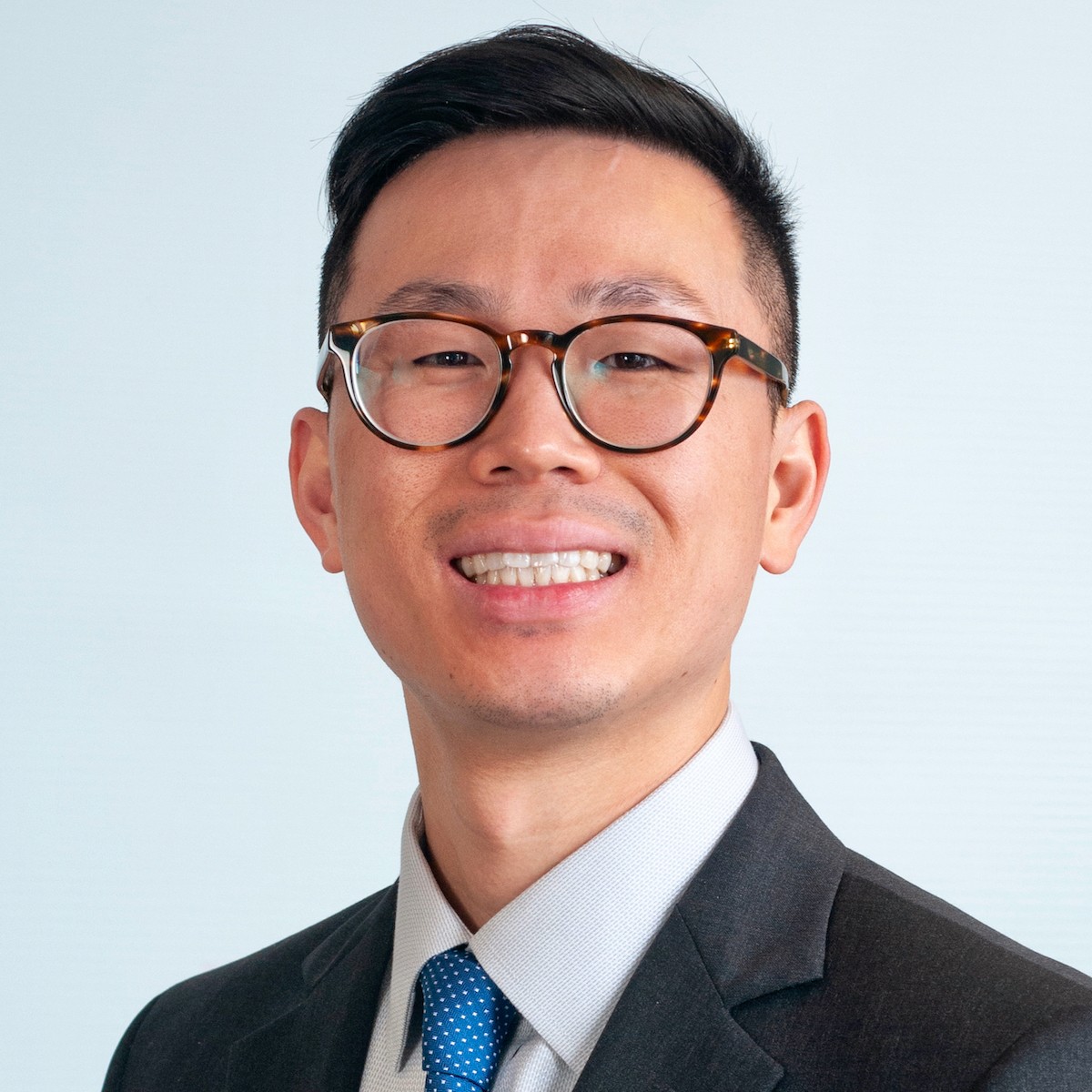
General bio and headshot for organizers
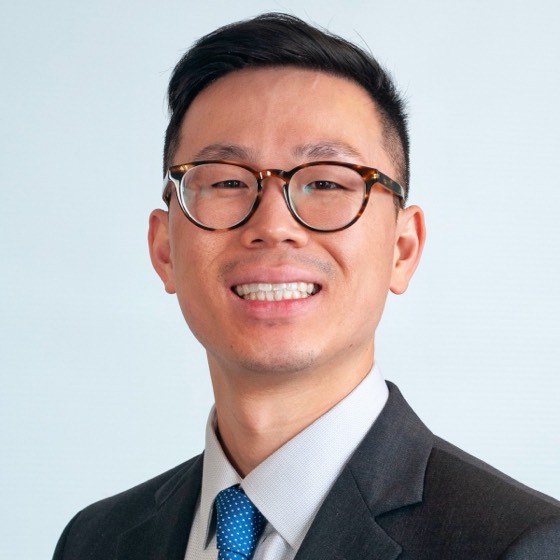
Dr. David Hao directs the Cancer Pain Program at Massachusetts General Hospital and is Assistant Professor of Anaesthesia at Harvard Medical School. An anesthesiologist and interventional pain physician, Dr. Hao works to get the right treatment to people with severe cancer pain, sooner and more safely, and studies access, outcomes and device safety. Dr. Hao is building CancerPain.org, a platform for patient and clinician education, is Deputy Editor-in-Chief of Anesthesia & Analgesia, and created the Depth of Anesthesia podcast. Dr. Hao speaks at grand rounds and meetings in the United States and abroad.
Three ways to work together.
For researchers
Study a question together
Outcomes and access in interventional cancer pain, and the safety of implanted pain devices.
Send: the question, the data or setting you have, and what you need from me.
Send a research ideaFor organizers
Invite a talk
Grand rounds, lectures, workshops and podcast interviews, for anesthesia, pain, oncology and palliative care audiences.
Send: the date, the audience and the topic. A bio and headshot are ready to use.
Request a talkFor educators and patient groups
Build a teaching tool
Procedure videos, courses and plain-language guides for clinicians or for people with cancer pain, including material for CancerPain.org.
Send: what you want to make, who it is for and your timeline.
Send a teaching project